New figures released today revealed that alcohol-specific deaths have continued to surge in the North East beyond the pandemic with over 500 people dying from alcohol-related causes in 2022, an alarming 32% increase since 2019, underscoring the critical need for immediate action to address the serious harm caused by excessive alcohol consumption across the nation.
The figures released by the Office for National Statistics (ONS) also revealed that there has been a 32.8% national increase in all alcohol-related deaths since 2019, with significantly high mortality rates in the North East, highlighting the localised impact of alcohol harm within communities across the nation.
“We cannot afford to overlook the escalating crisis of alcohol-related harm,” says Pamela Healy, chief executive at the British Liver Trust. “Alcohol is the primary cause of liver disease in the UK, and there’s a common misconception that only ‘alcoholics’ suffer liver damage but more than one in five individuals currently consume alcohol in a manner that could be putting their livers at risk.
“Alcohol’s ubiquitous presence in society is woven deeply into the fabric of social norms and in the last few years, there has been a notable shift in the drinking habits within the UK, with a significant portion of the population consuming alcohol more regularly and at home.”
To tackle the harm of alcohol in the UK, the British Liver Trust is calling for the Government to deliver a comprehensive alcohol strategy. The UK needs joined-up public health measures that address the affordability, promotion and availability of alcohol to reduce its detrimental impact. The charity is also calling for more support for people who are drinking at harmful levels and early intervention programmes for people who are not dependent but still drinking well above the Government’s recommended guideline of 14 units a week.
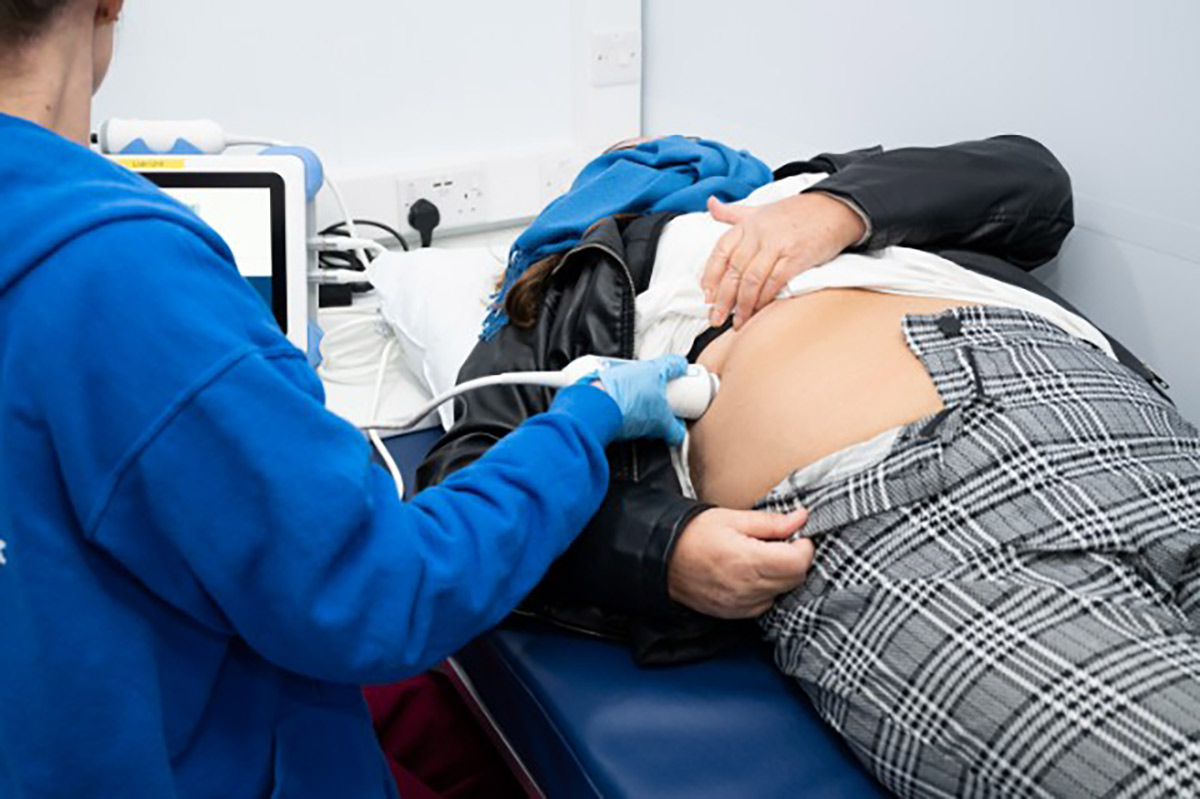
The National Institute for Health and Care Excellence (NICE) recommend that men who regularly drink over 50 units of alcohol per week and women who drink over 35 units of alcohol per week should be offered transient elastography (often called a FibroScan) to check for liver damage.
However, the British Liver Trust claims that in many parts of the country, patients simply do not have access to these scans.
Liver disease is usually asymptomatic until there is very advanced disease when the only curative treatment is a transplant. These scans are essential to find people with the early stages of disease – at a point when if they change their drinking habits disease progression can be stopped or reversed.
Other findings from the ONS data:
- Comparing with 2019, there have been statistically significant increases in the alcohol-specific death rate in England, Wales, and Scotland.
- The North East had the highest rate of alcohol-specific deaths of any English region in 2022 (21.8 deaths per 100,000); the East of England had the lowest rate (11.0 deaths per 100,000).
Pamela adds: “As the numbers continue to climb, the time for action is now. Governments, healthcare providers, and communities must unite to combat alcohol harm and safeguard public health.”

South West Durham News covering news across County Durham.