
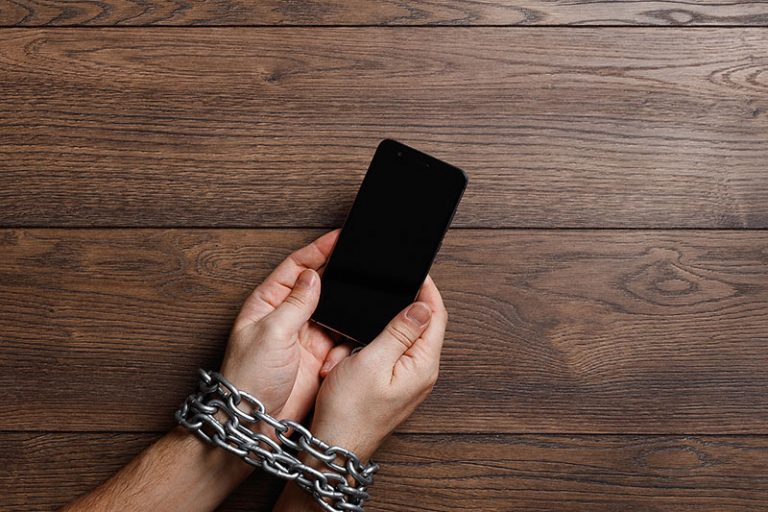
A new drug
There’s a new drug on the market, and it’s taking the world by storm. Unlike the others, this drug is not tangible. No, not something you can touch, hold or secretly possess. But its highly addictive qualities are visible to all. It’s a drug that goes by the name of Social Media.
Contaminating


Contaminating our phones, laptops, conversations, family life and friendships, social media has got everyone hooked. Long gone are the days of playing kerby, knocking on strangers’ doors, muddy clothes and grazed knees.
We’ve become accustomed to locking ourselves away at night, necks craned downwards in silence, save for the few words exchanged over the dinner table. Parents no longer have to cajole their children off the streets and inside for tea. Instead they pry away fingers wrapped around their smartphone.
Social Media may not be your mainstream drug, but that doesn’t make it any less toxic.
Generation Z


A concept which lies at the heart of social media marketing is the promise of ‘connection’ – socialising and sharing memories. But if we learn to take comfort in our phones rather than our friends and family, what sort of connection is that really creating? If anything, it creates divide – a lack of social interaction and fear of real life communication. Is it so surprising that parents are concerned?
The addiction to social media has meant that Generation Z have lost contact with the real world.
Disconnection
Snapchatting, Instagramming, Tweeting, texting – Gen Z are masters of these rituals. But answering an important phone call, approaching a shop-assistant, asking for directions? Think again.
The addiction to social media has meant that Generation Z have lost contact with the real world.


Issues surrounding poor wellbeing can have a detrimental rippling effect into academic performance and social life alike. Low mood is likely to contribute towards poor concentration and lack of motivation. Low self-esteem is a breeding ground for self-loathing and withdrawal from social activities. It’s a vicious circle, exacerbating low mood and self-image through induced loneliness.
Positive
However, anything considered bad inevitably comes with the good, too.


And while grooming is a problem on the rise, social media allows young people to interact with others they may not meet in their day-to-day lives, spurring internet friendships that are often stronger and more reliable than real life.
Being able to create an alternate identity, to escape the pressures and stresses of reality while offering freedom of expression, contributes towards acceptance. It can also have a positive effect on mental health.
It is vital when feeling vulnerable, however, to take care and ensure you don’t become a victim of social media’s pitfalls. Always remain alert to the dangers.
Apps like Twitter and Facebook draw attention and bring awareness to issues which may not be discussed in Gen Z’s daily encounters. In this way, social media is significant in shaping young individuals, informing them of relevant matters in today’s world.
Social Media does have a bad rep, but never dismiss its value.
Good points raised here. I think it’s important to raise questions surrounding social media good and bad with a balanced approach.