
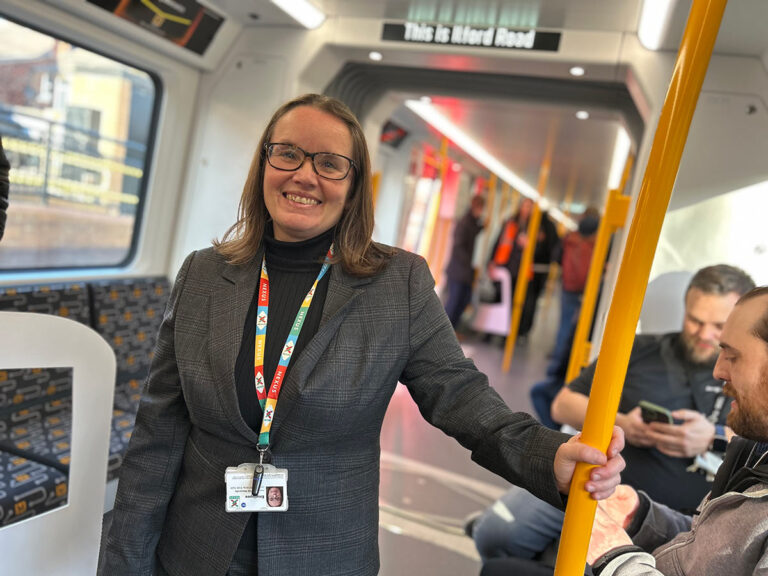
Metro fare hikes could be needed to plug a £5 million deficit, a transport boss has hinted, writes Local Democracy Reporter, Daniel Holland.
Councillors have been warned that the Tyne and Wear Metro is facing a multi-million pound shortfall that means its services will become “unsustainable” without action to boost income.
Cathy Massarella, managing director of Metro operator Nexus, has cautioned that bosses will need to “maximise” revenue from ticket fares and other sources.
The Metro is currently in the process of rolling out a £362 million new fleet of Swiss-built trains, which is due to be fully in service by the end of 2026.
Major funding has also been secured this year for a proposed extension of the network to Washington and for an urgently-needed replacement of its signalling system.
But Ms Massarella told a Newcastle City Council meeting last week that Nexus’ financial position was “difficult”.
She added: “The combined challenges of the last five years have resulted in a financial structural deficit of over £5 million. While we have a plan to maintain services in the short term, this is not sustainable over the medium and long term.
“To address the deficit, in addition to controlling costs and improving our agility and effectiveness, we have developed our first ever growth strategy. International benchmarking demonstrates that Nexus has one of the lowest operational costs per train hour out of 40 Metros operating across the world and we want to build on this, with a continuous improvement focus and a commercial intent to maximise fare and non-fare revenue whilst increasing patronage.”
Metro and Shields Ferry fares last went up in July this year, with that hike having been pushed back by three months by North East mayor Kim McGuinness in recognition of the disruption passengers faced during the shutdown of Metro services that ensued from the Gateshead Flyover crisis last December.
Those prices, which equated to a 4.6% rise on average, meant that the maximum cost of a single journey on the Metro is now £4.70 – though cheaper fares are available to people using the Pop Pay As You Go (PAYG) card rather than buying paper tickets.
Next year, a delayed upgrade to Nexus’ Pop card is due to launch that would allow people to use their pass across the Metro, bus services, the Shields Ferry and Northumberland Line trains – with fares automatically calculated up to a daily cap, currently set at £7.50.
Asked by the Local Democracy Reporting Service if fare rises were planned and what other revenue-boosting ideas Nexus has, the publicly-owned body said final plans were still being developed.
Helen Mathews, Commercial Director at Nexus, said: “Our funding position remains challenging. To help address this, we have developed a Plan for Growth to help us generate additional revenue that includes a range of non-fare related commercial opportunities.
“We are still working on the Metro and Shields Ferry fare proposals for 2026.
“We aim to set a balanced package of fares while helping us to meet our running costs and support the essential services that we deliver.
“Our fare proposals for 2026, once finalised, will be made public before going to the North East Combined Authority’s Cabinet to be agreed.
“The Tyne and Wear Metro is a public service and doesn’t make a profit, so we require financial support from both central and local government, alongside the revenue that we generate from fares and other commercial income streams, to operate the system.”